

In today’s hyperconnected world, social media is a lifeline for many—especially for Black communities seeking connection, visibility, and representation. But behind the memes, trending hashtags, and viral videos lies a truth we often avoid: social media can hurt just as much as it helps.
At The Social Work Concierge, LLC, we support clients navigating the very real mental health effects of digital life. Here’s what every Black user should know about how social media can shape—and sometimes strain—our emotional wellness.
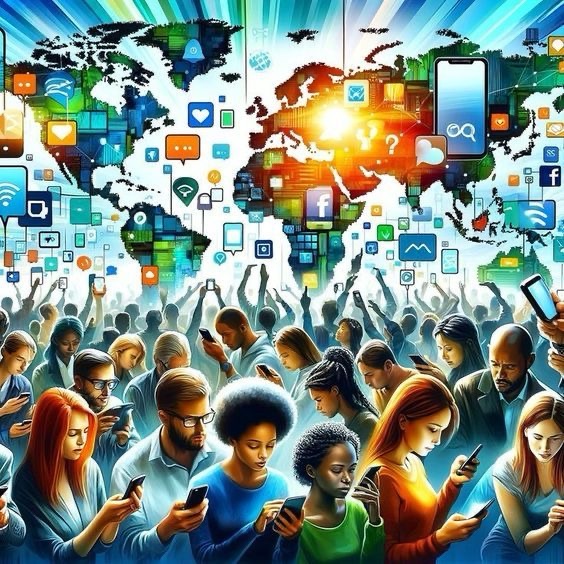
🧠 1. Vicarious Trauma from Online Violence
The constant stream of videos, images, and commentary about anti-Black violence—police brutality, hate crimes, and discrimination—can retraumatize viewers. This is known as vicarious racial trauma, and it can trigger symptoms like anxiety, sleep disturbance, and emotional exhaustion.
Tip: Limit exposure to graphic content and give yourself permission to log off without guilt.
🎭 2. The Exhaustion of Digital Code-Switching
Whether it’s adjusting your tone on LinkedIn or filtering your natural hair on TikTok, many Black users feel pressured to conform online. This digital code-switching can wear down self-worth and create a disconnect between your real identity and your curated persona.
Tip: Find online spaces that affirm your full identity—no editing required.
💄 3. Colorism and Beauty Biases
Even in 2025, Eurocentric beauty standards dominate social platforms. For many Black women and girls, the lack of representation and reinforcement of lighter skin and looser hair textures leads to negative self-image and mental distress.

Tip: Follow creators who celebrate diverse Black beauty in all its forms.
🔥 4. Burnout from Always Being “Woke”
Being informed and advocating for justice is part of the culture—but being “always on” can cause racial battle fatigue. The expectation to explain racism, educate followers, or represent an entire race online is exhausting.
Tip: Your healing matters too. Rest is a revolutionary act.
💬 5. Representation vs. Pressure
Yes, movements like #BlackGirlMagic and #BlackBoyJoy are powerful. But they can also make people feel like there’s no room for sadness, fear, or mental illness in the Black experience. The pressure to be resilient 24/7 is unrealistic—and harmful.
Tip: It’s okay not to be okay. Vulnerability is strength.
🛑 Protecting Your Peace Online
At The Social Work Concierge, LLC, we encourage Black individuals to practice digital self-care:
Curate your timeline to include joy, education, and healing Set daily time limits for social media use Unfollow or mute accounts that drain your energy Seek out culturally responsive therapy
💛 Final Thoughts
Social media is a tool—and like any tool, it can harm or heal. As Black people navigating a racially unjust world, we must guard our mental health not just offline, but online too. We see you, we support you, and we’re here to help you evolve—not repeat—the patterns that keep you stuck.
Need culturally informed, trauma-sensitive therapy?
Book a consultation with our CEO, Leonica Riley Erwin, LMSW today.
📧 LeonicaErwinLMSW@gmail.com
 The Social Work Concierge, LLC
Leave a comment