

Religious trauma is the emotional, psychological, and spiritual distress that results from harmful religious experiences. It can affect individuals across all faith traditions and spiritual backgrounds—especially when religion is used to control, shame, or isolate.
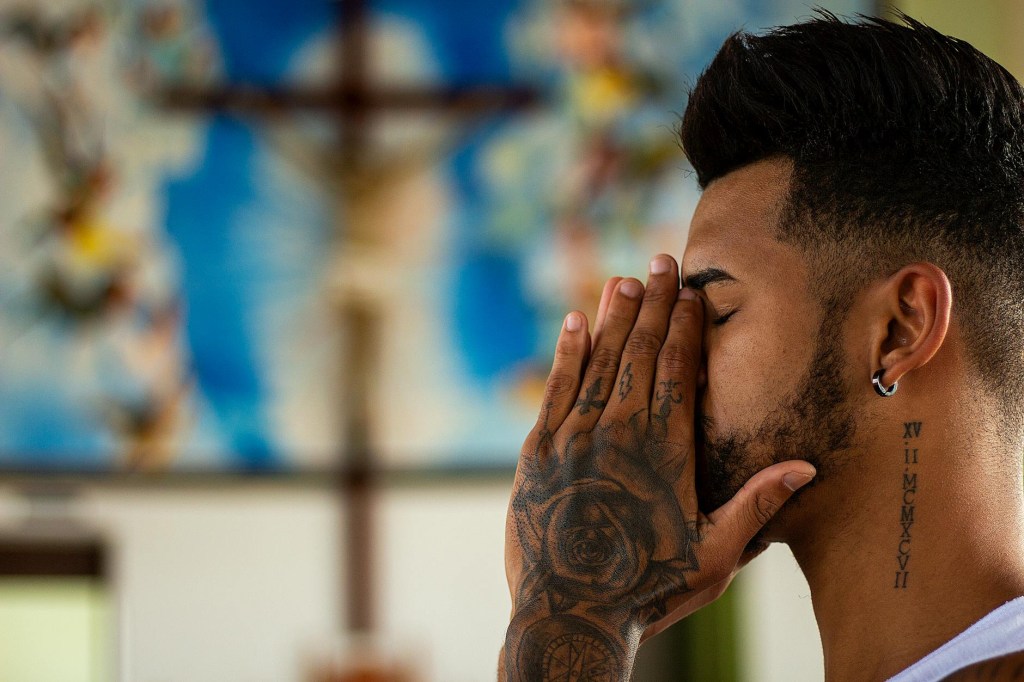
🌩️ What Causes Religious Trauma?
Religious trauma can stem from:
- High-control or authoritarian religious environments
- Fear-based teachings (e.g., hell, damnation, or divine punishment)
- Rejection or exclusion from a faith community for personal identity or beliefs
- Spiritual manipulation or gaslighting
- Abuse covered up or justified in religious settings
- Strict moral codes enforced with guilt or shame
⚠️ Signs and Symptoms of Religious Trauma
Many people struggling with religious trauma experience symptoms similar to other forms of complex trauma, such as:
- Anxiety, panic attacks, or depression
- Intrusive thoughts or nightmares related to religion
- Chronic guilt or a persistent feeling of being “bad” or “unworthy”
- Difficulty trusting oneself or others
- Fear of punishment or rejection for questioning beliefs
- Trouble setting boundaries
- Spiritual confusion or fear of “backsliding”

💬 “It Was Supposed to Be Safe…”
Religion often promises community, guidance, and comfort—but when used to control or abuse, it can leave deep wounds. Survivors of religious trauma may feel abandoned, disoriented, or ashamed, especially if their pain is minimized by others.
🌱 Healing Is Possible
If you’re struggling with religious trauma, you are not alone—and your experience is valid. Healing can include:
- Therapy with a provider who understands religious trauma and spiritual abuse
- Reconnecting with personal values outside of rigid belief systems
- Building supportive communities beyond the religious context
- Exploring spirituality on your own terms—or not at all

💡 You Deserve to Heal
At The Social Work Concierge, LLC, we offer trauma-informed therapy that honors your lived experience—including religious trauma. We create space for healing without judgment or pressure to “believe” in any one way.
If you feel that religious trauma is affecting your mental health, contact us today to explore therapy options. You are not broken—you’re healing.




 The Social Work Concierge, LLC
Leave a comment