


Post-Traumatic Stress Disorder (PTSD) is most commonly associated with life-threatening events such as combat, assault, or natural disasters. But for many individuals, especially those from historically marginalized groups, trauma doesn’t always stem from a single catastrophic event. Instead, it arises from a lifetime of cumulative harm—discrimination, marginalization, and structural violence. This form of trauma is increasingly recognized as oppression-based PTSD, a condition rooted in the lived realities of racism, sexism, homophobia, transphobia, ableism, xenophobia, and other forms of systemic injustice.
What Is Oppression-Based PTSD?
Oppression-based PTSD refers to the psychological and emotional injuries that result from persistent exposure to systemic discrimination, microaggressions, and societal invalidation. Unlike traditional PTSD, which typically originates from a discrete traumatic event, oppression-based PTSD is often chronic, insidious, and intergenerational. It reflects the impact of surviving in environments where one’s identity is pathologized or punished.

Common Sources of Oppression-Based Trauma
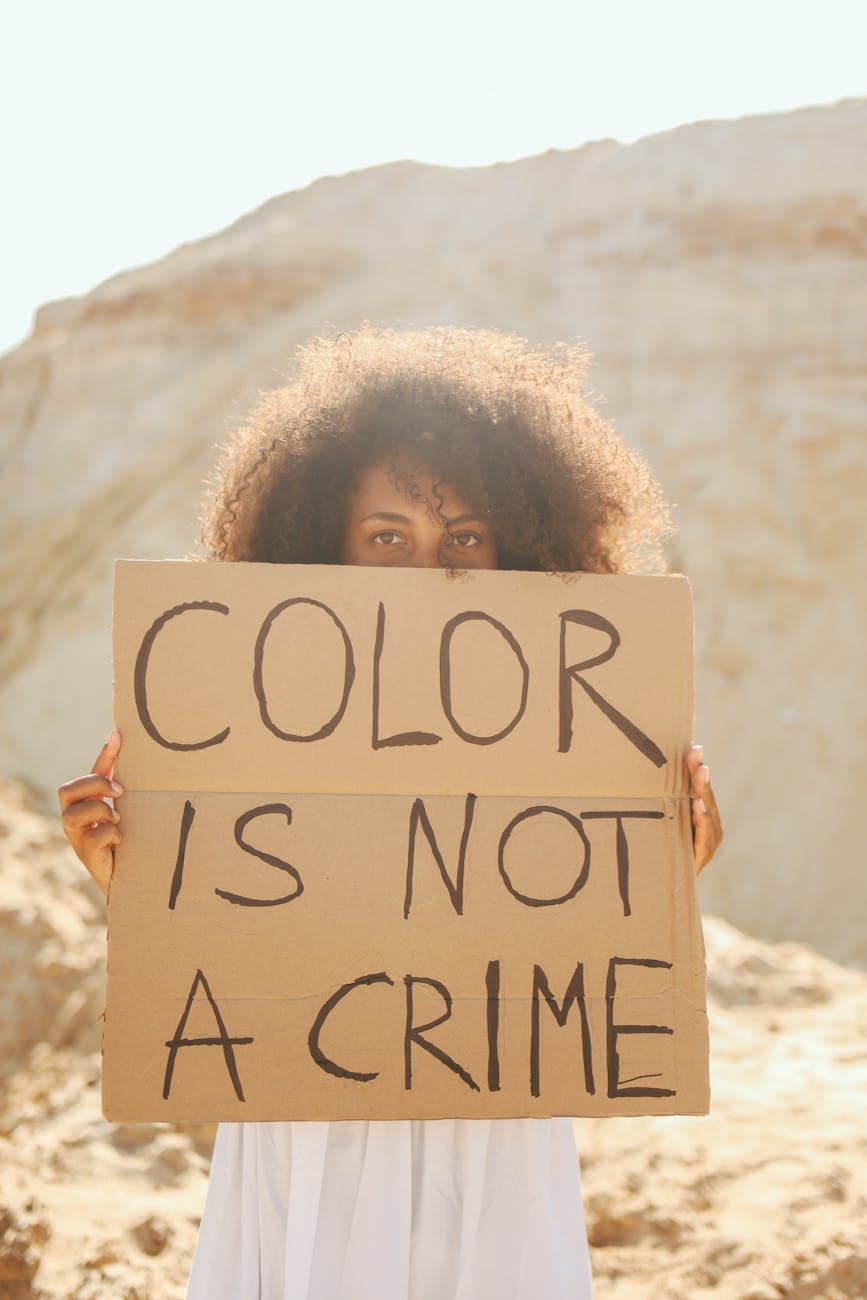
- Racial Trauma: Experiences of racism—including hate crimes, profiling, workplace discrimination, or exclusion from resources—can have lasting psychological impacts on individuals and communities. The persistent fear for safety, compounded by media depictions and historical oppression, creates a cycle of hypervigilance and distress.
- Gender-Based Oppression: Women, trans, and non-binary individuals often endure harassment, violence, and societal control over their bodies and identities. These experiences may lead to symptoms of PTSD when compounded over time.
- LGBTQIA+ Discrimination: Rejection by families, conversion therapy, bullying, and legal inequality can contribute to mental health challenges that mirror or meet diagnostic criteria for PTSD.
- Ableism: People with disabilities may experience systemic neglect, institutionalization, or denial of autonomy, which can be profoundly traumatic.
- Religious and Cultural Oppression: Forced assimilation, cultural erasure, and faith-based trauma can disrupt a person’s sense of self, safety, and community.
Symptoms and Impact
Oppression-based PTSD shares many characteristics with traditional PTSD, including:
- Intrusive thoughts and flashbacks
- Emotional numbing or dissociation
- Hypervigilance and anxiety
- Sleep disturbances and nightmares
- Avoidance of triggering environments or conversations
However, the added layers of shame, cultural betrayal, and ongoing exposure can intensify the condition. For many, it feels like the trauma never ends because the oppressive systems are still in place.
Healing and Support
Healing from oppression-based PTSD requires a trauma-informed, culturally responsive, and justice-oriented approach. Traditional therapeutic models may fall short if they ignore the structural roots of the trauma. Effective strategies include:
- Culturally affirming therapy: Working with therapists who recognize systemic oppression and affirm the client’s lived experiences.
- Community support: Healing in collective spaces with others who share similar identities or experiences.
- Advocacy and empowerment: Engaging in social justice or activism can help survivors reclaim agency and foster resilience.
- Restorative practices: Mindfulness, somatic work, and ancestral healing practices rooted in cultural traditions.

Moving Forward
Recognizing oppression-based PTSD is not just a clinical matter—it is a moral and social imperative. As mental health providers, educators, policymakers, and community members, we must validate these experiences, dismantle the systems that perpetuate trauma, and co-create spaces of safety and liberation.
Healing is possible—not just through personal recovery, but through collective resistance and systemic change.
If you or someone you know is struggling with the effects of oppression-based trauma, know that support exists. The Social Work Concierge, LLC offers therapy and professional services that center your identity, honor your experiences, and guide you toward healing and empowerment.
📅 Book a free consultation: https://scheduler.zoom.us/leonica-riley-erwin
🌐 Learn more: www.socialworkconcierge.com
Let’s evolve—not repeat.
#TraumaInformedCare #MentalHealthMatters #SocialWorkConcierge #EvolveOrRepeat #ClinicalSupervision #TherapyForAll

 The Social Work Concierge, LLC
Leave a comment