

The Social Work Concierge, LLC
Introduction
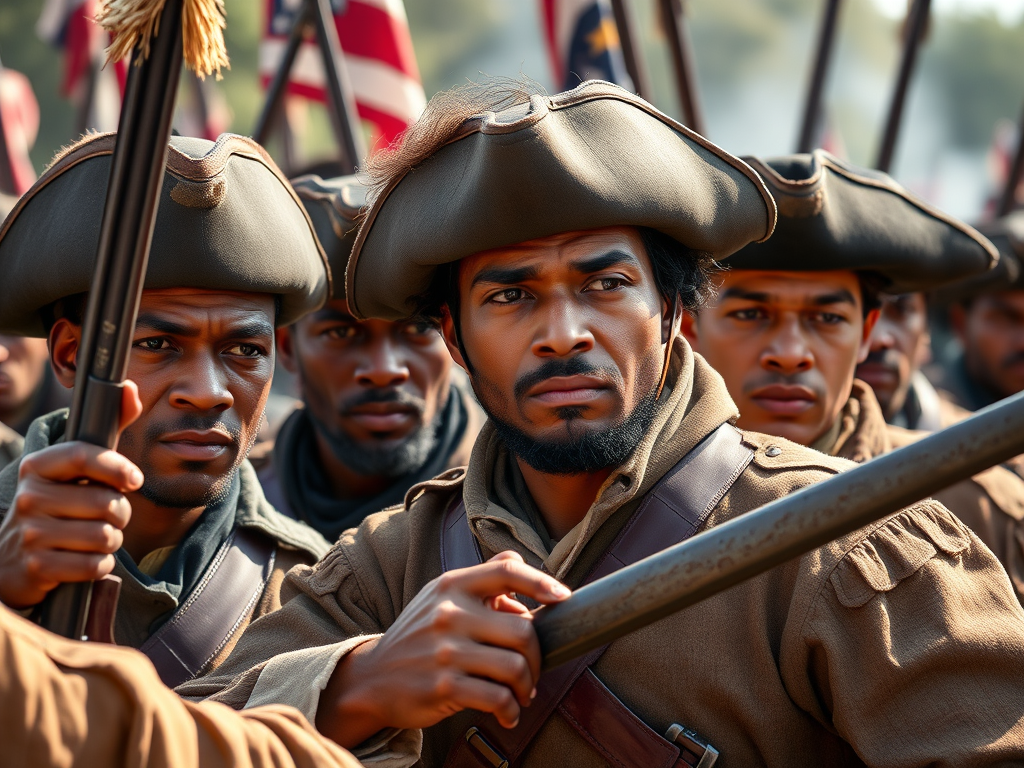
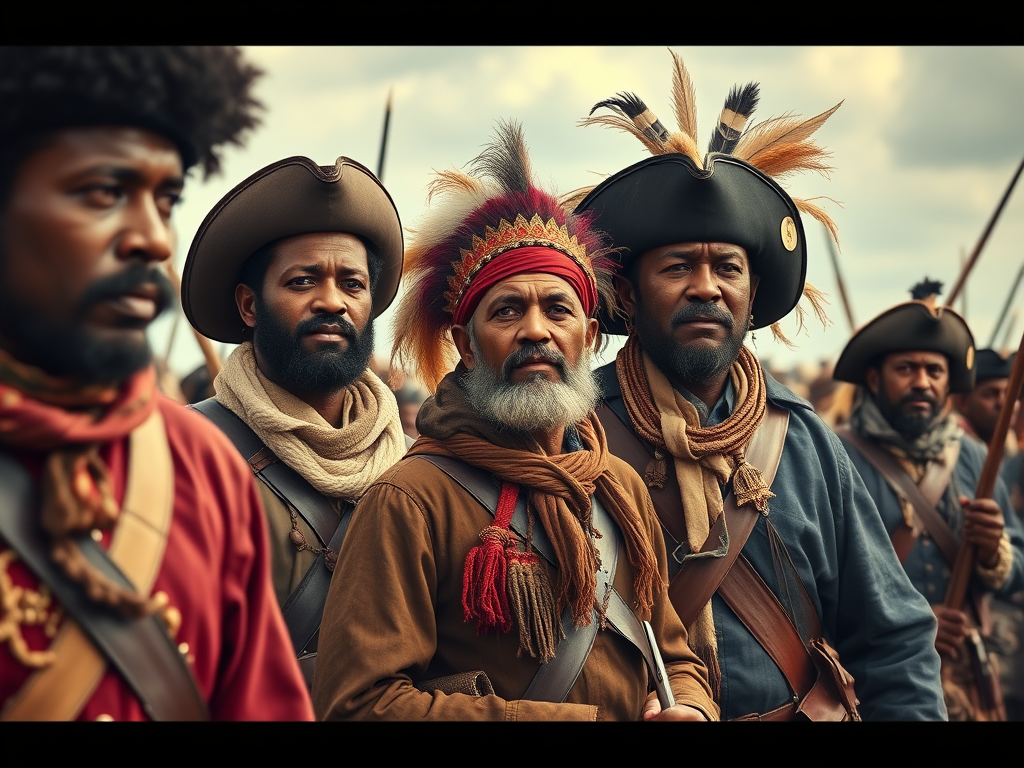
When the story of America’s fight for independence is told, it often leaves out the vital contributions of Black, Indigenous, and other people of color. These men and women fought for a nation that had not yet promised them freedom or equity—but they served nonetheless. This article honors their legacies and explores the profound mental and emotional impacts of historical erasure, while grounding the narrative in historical research.
Black Patriots: Fighting for a Freedom Denied
Crispus Attucks
The first American killed in the Boston Massacre of 1770, Crispus Attucks—a man of African and Native American ancestry—became a symbol of patriot resistance. He is widely considered the first casualty of the American Revolution (Bordewich, 2017).
African American Soldiers
Between 5,000 and 8,000 Black men served in the Continental Army, militias, and naval forces (Bennett, 1993). Many, like Peter Salem and Salem Poor, fought valiantly in critical battles such as Bunker Hill. James Armistead Lafayette, an enslaved man turned spy, delivered intelligence that led to General Cornwallis’s surrender at Yorktown (Quarles, 1961).
Indigenous Contributions and Resistance
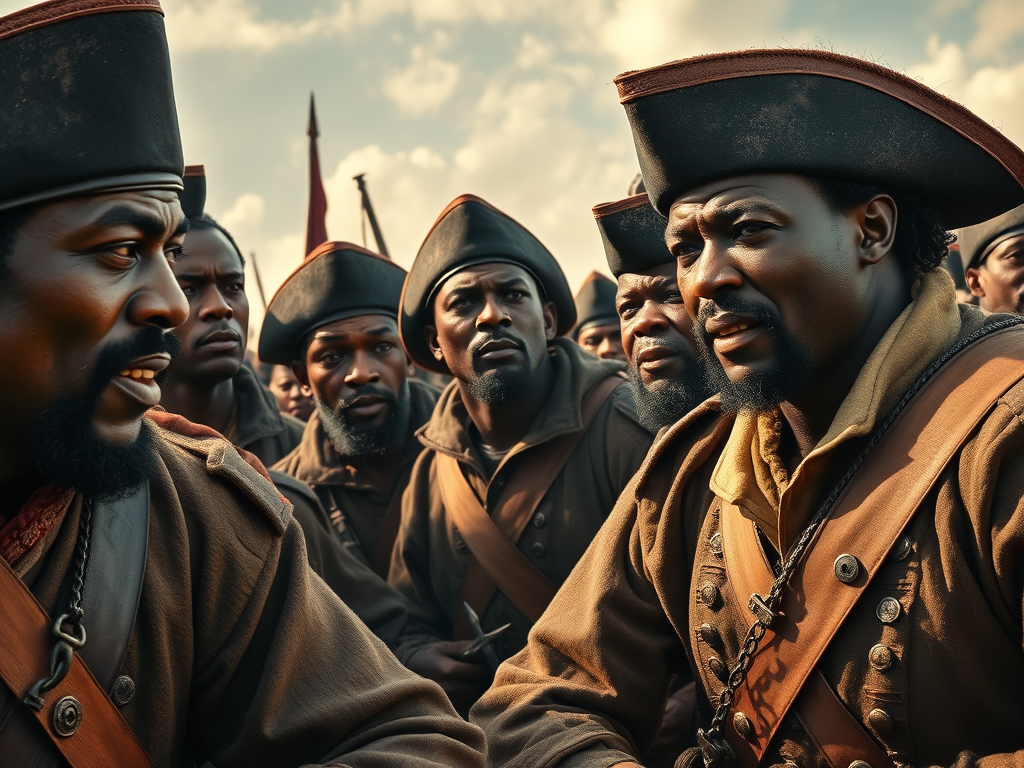
Many Native nations viewed the Revolutionary War as a threat to their sovereignty and survival, choosing to ally with the side that seemed most likely to protect their land. Some, like the Oneida, sided with the Americans and provided crucial aid during the war (Calloway, 1995). Others, like the Mohawk under Joseph Brant, aligned with the British in hopes of halting colonial encroachment.
Afro-Latinx and Caribbean Fighters
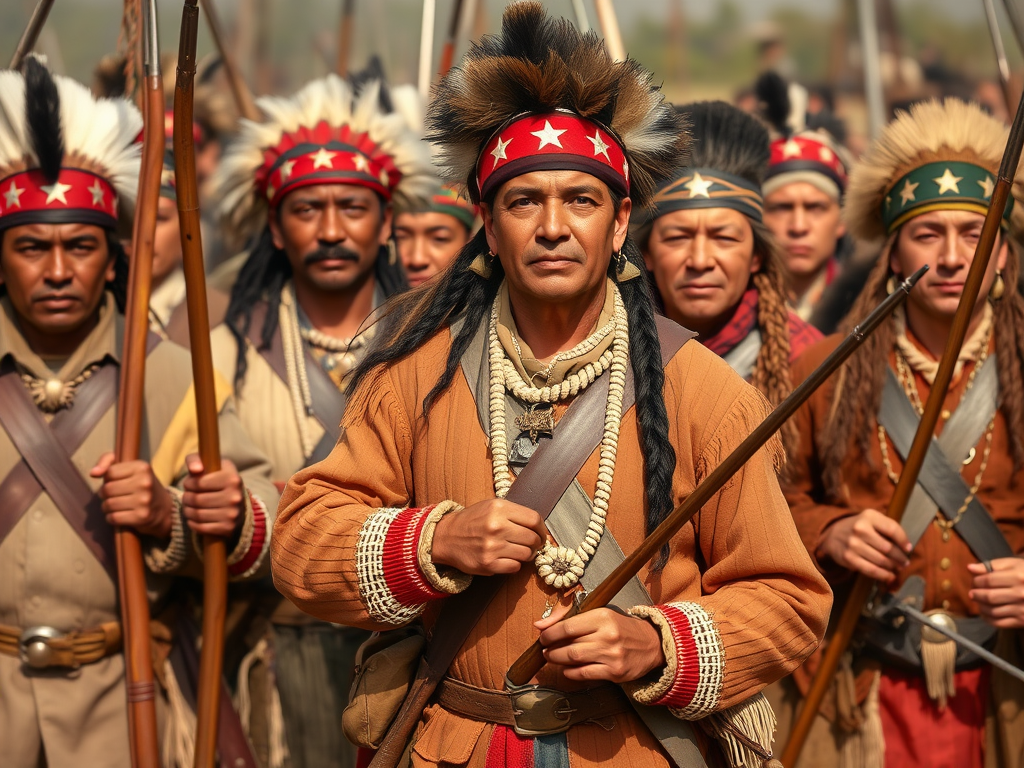
Spain played a strategic role in the Revolution. Governor Bernardo de Gálvez of Spanish Louisiana led military campaigns that helped secure the southern front (Chavez, 2002). Afro-Caribbean soldiers from Haiti and other colonies also contributed by fighting with the French and Spanish forces allied with the Americans.
The Aftermath: Betrayal and Erasure
Despite their loyalty and valor, people of color were largely denied the promises of freedom and land. Many Black veterans were re-enslaved, Native lands were seized, and Hispanic and Afro-Caribbean contributions were forgotten in the national story (Nash, 2005). Yet their legacy of resistance laid the groundwork for later liberation movements.
Psychological Impact and Historical Healing
The exclusion of people of color from foundational narratives like the American Revolution contributes to cultural trauma and racialized disenfranchisement. Validating our ancestors’ sacrifices is a powerful step toward identity restoration and psychological resilience.
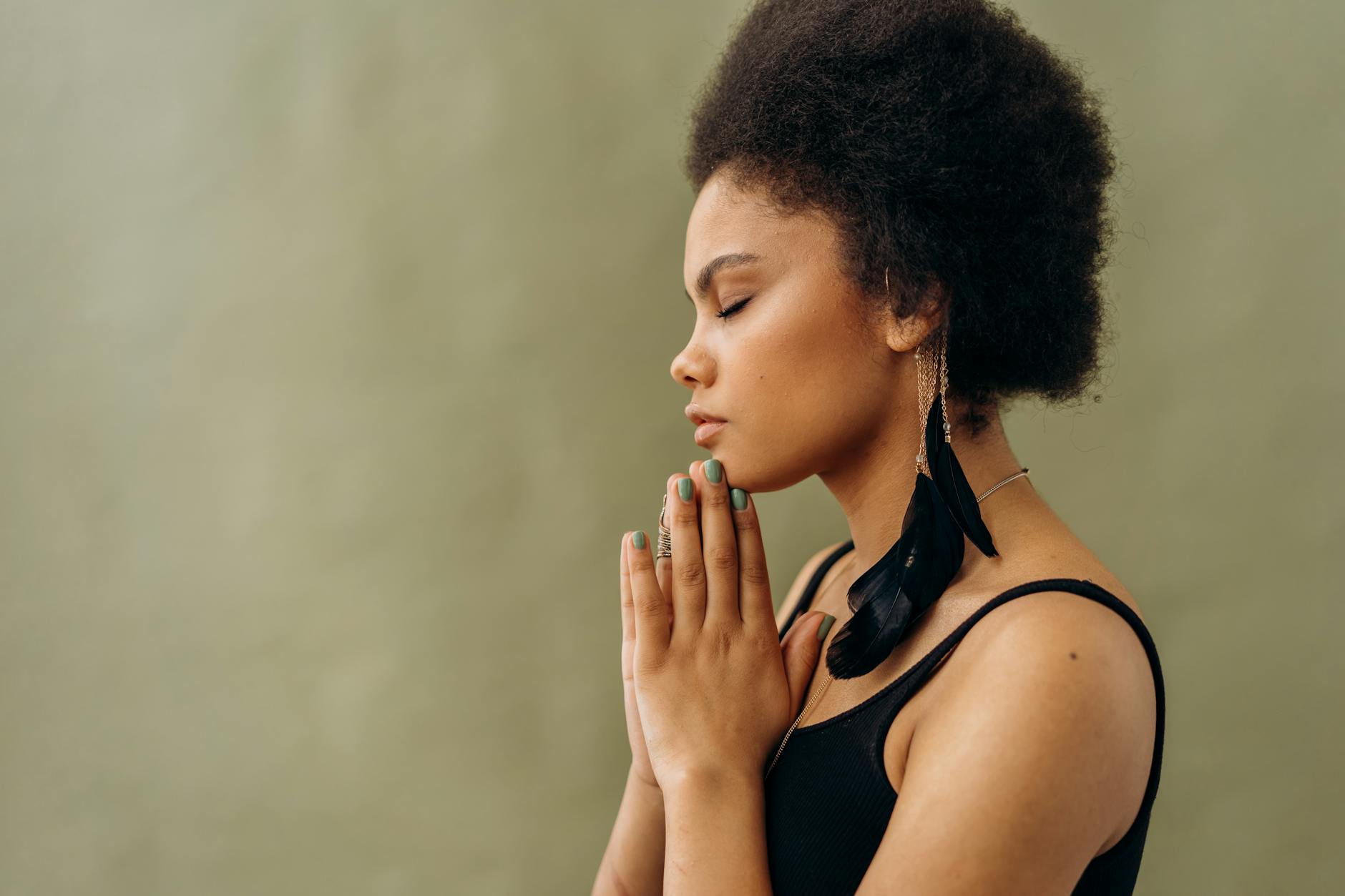
At The Social Work Concierge, We Remember and Restore
We believe mental health care must honor cultural truths. Acknowledging this history is a radical act of healing. If you’re feeling disconnected, erased, or unseen in your American identity—you’re not alone. We’re here to help you reclaim your power.
📍 The Social Work Concierge, LLC
✨ Luxury Mental Health Services, Redefined
🌐 www.socialworkconcierge.com
📧 leonica@socialworkconcierge.com
📞 Call/Text: (616) 345-0616
📍 Serving BIPOC, LGBTQ+, and faith-based communities across Michigan
🖤 Your healing is sacred. Evolve, Don’t Repeat.
📚 References
- Bennett, L. (1993). Before the Mayflower: A History of Black America. Penguin Books.
- Bordewich, F. M. (2017). The First Congress: How James Madison, George Washington, and a Group of Extraordinary Men Invented the Government. Simon & Schuster.
- Calloway, C. G. (1995). The American Revolution in Indian Country: Crisis and Diversity in Native American Communities. Cambridge University Press.
- Chavez, T. E. (2002). Spain and the Independence of the United States: An Intrinsic Gift. University of New Mexico Press.
- Nash, G. B. (2005). The Forgotten Fifth: African Americans in the Age of Revolution. Harvard University Press.
- Quarles, B. (1961). The Negro in the American Revolution. University of North Carolina Press.
 The Social Work Concierge, LLC
Leave a comment