
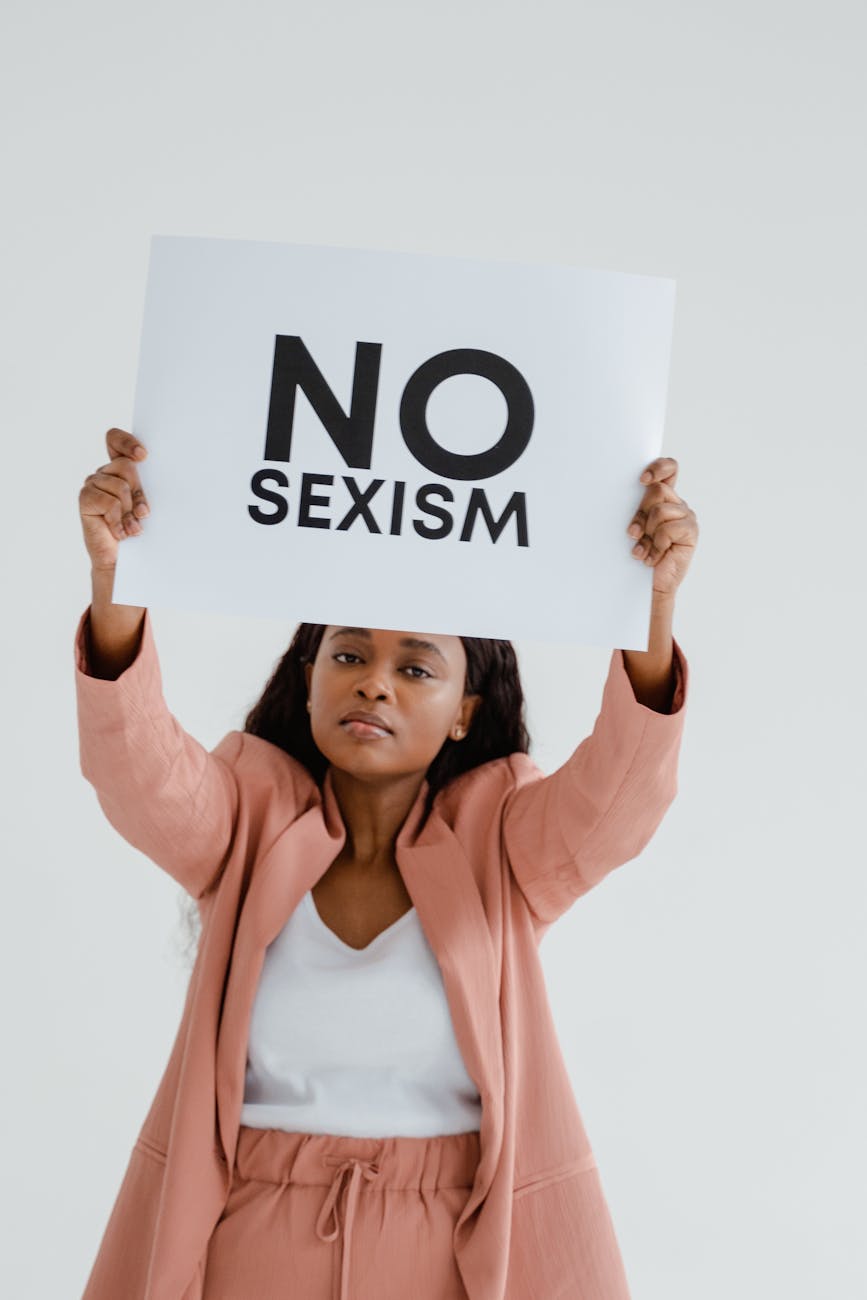
Black women live at a powerful—and painful—crossroad. We are not just Black. We are not just women. We are both. And that bothness often means we are doubly burdened and systemically overlooked.
This complex experience is known as intersectionality, a term coined by legal scholar Kimberlé Crenshaw to describe how systems of oppression—like racism and sexism—interact and compound. For Black women, these intersecting forces don’t just shape our social experiences; they affect our mental, emotional, and physical health in deeply traumatic ways.
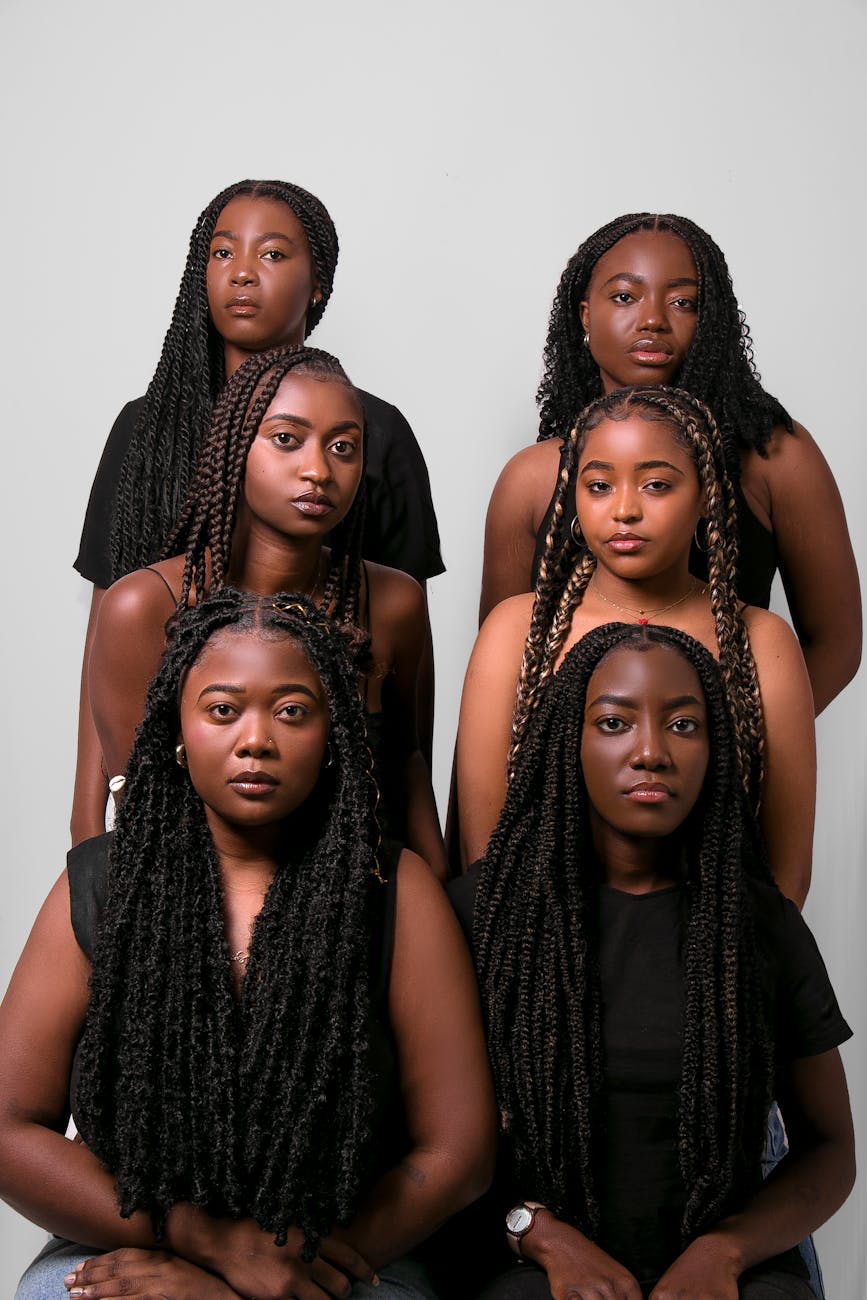
🎭 The Double Bind: When Racism Meets Sexism
Black women are often expected to be strong, resilient, nurturing, and self-sacrificing. These expectations may be framed as compliments, but they mask a cruel reality: Black women are rarely afforded the right to be vulnerable, soft, or fully seen.
We face:
- Racial microaggressions in professional, academic, and medical settings
- Sexual objectification and stereotype-based violence
- Silencing and invisibility in feminist spaces and racial justice movements
- Disparities in mental and physical healthcare, often dismissed or misdiagnosed
These overlapping injustices create a constant sense of psychological tension—a kind of slow-burn trauma that rarely receives the validation it deserves.
🔥 The Psychological Impact
When multiple marginalized identities collide, the emotional toll is often cumulative. For Black women, this can lead to:
- Chronic stress and emotional exhaustion
- High-functioning depression or anxiety masked by perfectionism
- Hypervigilance, especially in white-dominated or male-dominated spaces
- Internalized oppression that distorts self-worth and identity self-esteem
- Suppressed grief and anger, misread as “attitude” or “aggression”
And yet, because we are so used to enduring, surviving, and “keeping on,” these symptoms often go unacknowledged—even by ourselves.

🛑 The Cost of the Strong Black Woman Trope
The “Strong Black Woman” stereotype is both armor and burden. While strength has been necessary for survival, it should never be our only option.
This trope can:
- Discourage seeking help or expressing vulnerability
- Normalize over-functioning and burnout
- Leave mental health issues undiagnosed and untreated
- Reinforce systems that benefit from our silence and suffering
🌿 Healing Through Therapy and Liberation
Therapy for Black women must go beyond symptom treatment. It must acknowledge and honor the unique sociocultural realities we live in. It should be liberation-centered, culturally affirming, and trauma-informed.
At The Social Work Concierge, LLC, our therapeutic approach helps Black women:
- Reclaim their narratives and define their own identities
- Explore generational trauma without shame
- Learn to rest, resist, and release
- Replace survival-based coping with radical self-compassion
- Connect with ancestral wisdom and communal healing
🖤 You Deserve More Than Survival
Intersectionality shouldn’t be a source of suffering—it should be a source of strength and complexity. But healing begins with truth-telling.
Black women deserve to be heard. We deserve to be seen. We deserve to be whole.
📞 Ready to Begin Your Healing?
At The Social Work Concierge, LLC, we specialize in supporting Black women navigating the trauma of intersectionality, racialized gendered oppression, and identity reclamation.
🛋️ Virtual therapy across Michigan
📍 Serving Black women, LGBTQ+ folks, and faith-based communities with compassion and clinical care.
🌐 www.socialworkconcierge.com
📞 Call/Text: (616) 345-0616
📩 hello@socialworkconcierge.com
You are more than your pain. You are power, softness, brilliance, and joy. Let us help you return to yourself.
 The Social Work Concierge, LLC
Leave a comment