
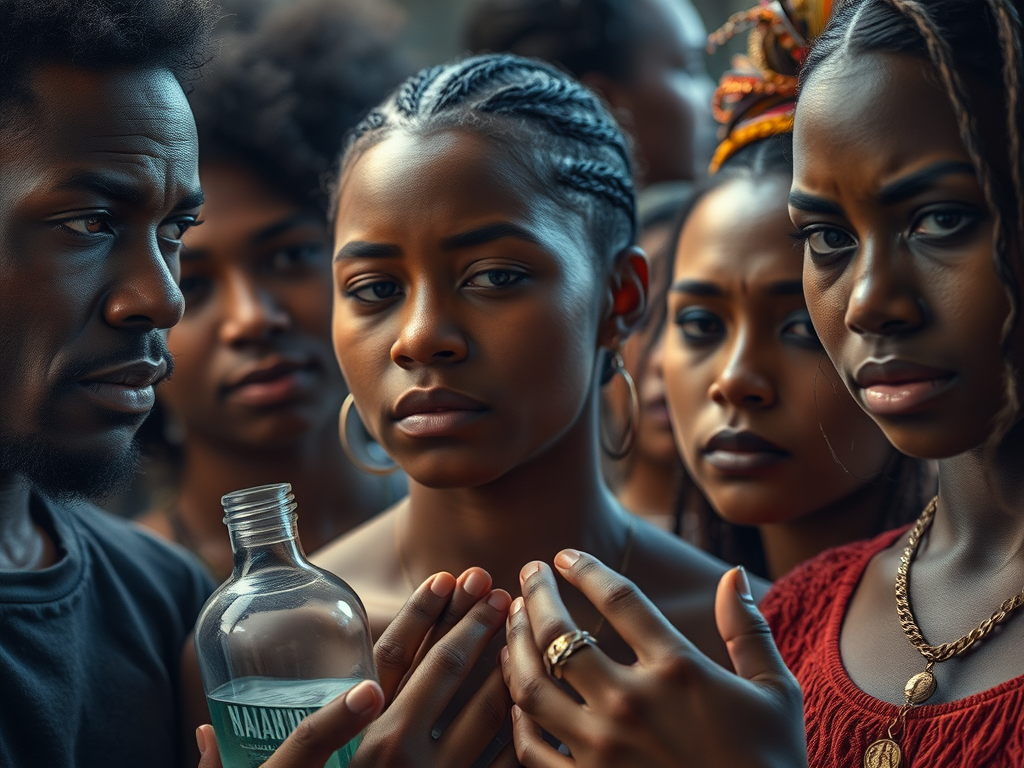
“It’s not about the drugs. It’s about the pain.”
Substance abuse is often misunderstood as a lack of willpower or a moral failure. But for many — especially in Black, Latinx, Indigenous, LGBTQ+, and other marginalized communities — it’s a coping strategy for surviving unspoken trauma.
The connection between trauma and substance abuse runs deep. And when that trauma is rooted in systemic oppression, intergenerational pain, or cultural displacement, the path to healing must go far beyond detox or abstinence — it must address the soul wounds that society continues to overlook.
What is Trauma?
Trauma isn’t just about what happened — it’s about what happened inside a person as a result. It’s the emotional and neurological injury caused by experiences that are overwhelming, inescapable, or dehumanizing. Common types of trauma in marginalized populations include:
- Racial trauma and microaggressions
- Immigration trauma and family separation
- Poverty, housing instability, and community violence
- Medical discrimination and neglect
- Sexual violence, assault, and gender-based abuse
- Hate crimes, transphobia, and homophobia
- Historical and intergenerational trauma (e.g., slavery, colonization, genocide)

Why Trauma Often Leads to Substance Abuse
For many, substance use isn’t about euphoria — it’s about silencing the chaos within. Substances like alcohol, cannabis, opioids, or stimulants are often used as self-medicating tools to:
- Numb emotional pain
- Escape painful memories or flashbacks
- Sleep without nightmares
- Feel control in a world that feels dangerous
- Experience temporary relief or connection
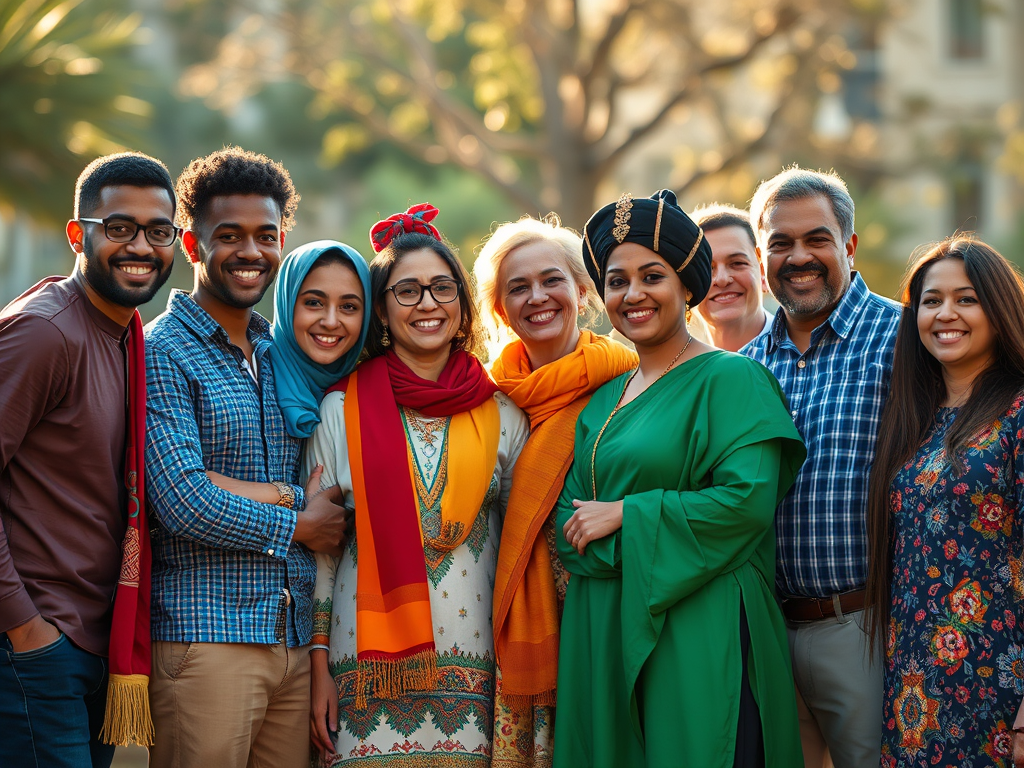
The Impact on Marginalized Communities
🖤 Black Americans
- Face chronic racial stress, over-policing, medical racism, and cultural stigmas around mental health.
- Less likely to be referred to treatment and more likely to face criminalization for substance use.
- Intergenerational trauma from slavery, Jim Crow, and ongoing discrimination increases vulnerability.
🤎 Latinx Americans
- Encounter immigration-related trauma, language barriers, and family separation.
- Cultural taboos often prevent seeking help for mental health or addiction.
- Fear of deportation or lack of documentation can make seeking services dangerous.
❤️ Indigenous Americans
- Experience the highest rates of substance use disorders and trauma exposure of any U.S. group.
- Grapple with cultural erasure, land theft, boarding school trauma, and genocide.
- Have limited access to culturally competent and community-rooted treatment options.
🏳️🌈 LGBTQ+ Communities
- Higher rates of childhood trauma, bullying, religious trauma, and family rejection.
- Disproportionate experiences of homelessness, depression, and suicide risk.
- Substance use can become a tool to manage dysphoria, isolation, or social anxiety in unsafe environments.

Why Conventional Treatment Often Fails
Mainstream substance abuse treatment often ignores the trauma that fuels the addiction — and is rarely tailored to the lived experiences of marginalized populations. Common barriers include:
- Cultural invalidation (“You’re being too sensitive”)
- Lack of representation in clinical staff
- Stigma and mistrust of systems
- Punitive models that emphasize compliance over compassion
- Treatment models that pathologize survival-based behavior
Toward Healing: Trauma-Informed, Culturally Responsive Care
Healing from substance abuse in marginalized communities requires more than sobriety — it requires justice, belonging, and safety. Here’s what’s needed:
- Culturally humble therapy that honors identity and lived experience.
- ACT, DBT, and EMDR as evidence-based models to process trauma and build emotional regulation.
- Peer support programs that affirm identity and build community.
- Restorative spaces where healing includes ancestral, spiritual, and cultural practices.
- Policy changes that treat addiction as a public health issue — not a crime.
Final Thoughts: From Coping to Healing
For marginalized people, substance use is often not the problem — it’s the response to centuries of being harmed, ignored, or silenced.
At The Social Work Concierge, LLC, we believe healing must be holistic, compassionate, and liberation-centered. Whether you’re recovering from trauma, navigating identity, or supporting a loved one, know this:
🖤 You are not broken.
🖤 You are surviving.
🖤 You deserve care that sees your whole story — not just your symptoms.
📞 Ready to begin your healing journey?
Call/Text: (616) 345-0616
Website: www.socialworkconcierge.com Email: leonica@socialworkconcierge.com
Virtual Appointments Across Michigan
🖤 Healing should never be a privilege. Let’s make it a priority.
 The Social Work Concierge, LLC
Leave a comment