


Inhale Calm. Exhale Stress. Repeat.
In today’s fast-paced world, stress and anxiety are nearly unavoidable. Whether it’s workplace burnout, traumatic grief, racial injustice, or just the noise of daily life, our bodies and minds are constantly responding to pressure. Fortunately, one of the most powerful tools for emotional regulation and healing is always with us: our breath.

What Is Controlled Breathing?
Controlled breathing, also called conscious breathing or intentional breathing, refers to the act of mindfully altering your breath rate, rhythm, and depth. Techniques like 4-7-8 breathing, box breathing, and diaphragmatic breathing are designed to engage the parasympathetic nervous system — the body’s natural relaxation response.
Mental Health Benefits of Controlled Breathing
🧠 1. Reduces Anxiety and Panic
When we feel anxious, our breathing becomes shallow and rapid, which only fuels the fight-or-flight response. Controlled breathing reverses this by slowing down the heart rate and signaling to the brain that we are safe.
😴 2. Improves Sleep Quality
Practices like 4-7-8 breathing before bed can help calm racing thoughts and slow the body’s processes, making it easier to fall and stay asleep — especially for those with insomnia or trauma-related sleep disturbances.
🧘🏽 3. Enhances Mindfulness and Emotional Regulation
Breathwork helps anchor us in the present moment. When paired with mindfulness or Acceptance and Commitment Therapy (ACT), it improves our ability to sit with difficult emotions without becoming overwhelmed by them.
❤️ 4. Regulates the Nervous System
Chronic stress can keep us locked in a sympathetic (fight-or-flight) state. Controlled breathing restores balance by activating the parasympathetic system (rest-and-digest), reducing cortisol levels and improving overall wellbeing.
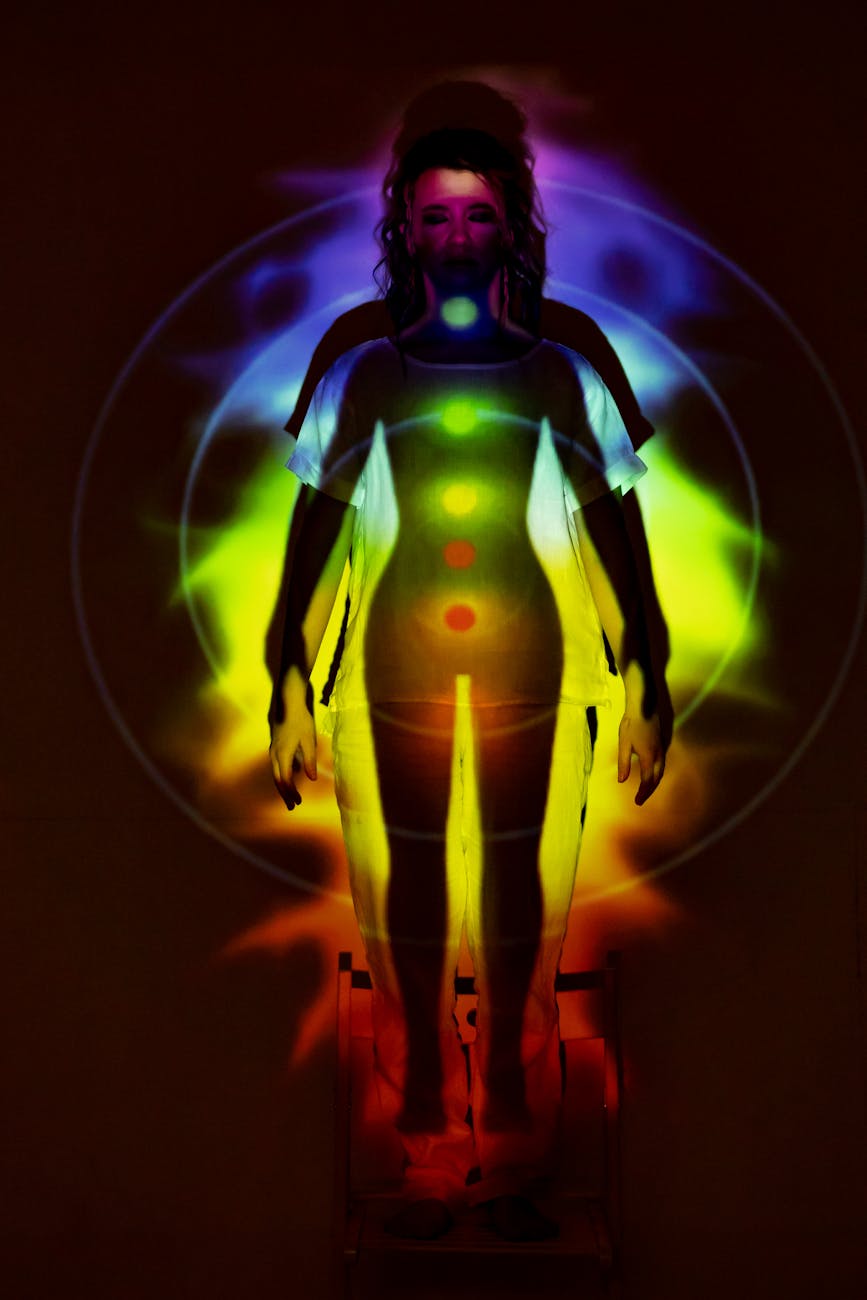
💭 5. Reduces Symptoms of Depression and PTSD
Studies show that regular breathwork can help regulate mood, increase positive affect, and reduce intrusive thoughts in individuals living with PTSD or depression. It’s a gentle but effective tool for those healing from trauma.
Breathwork Techniques You Can Try Today
- 4-7-8 Breathing: Inhale for 4 seconds, hold for 7, exhale for 8. Repeat 4 times.
- Box Breathing: Inhale 4 seconds → hold 4 → exhale 4 → hold 4. Repeat in a square.
- Diaphragmatic Breathing: Breathe deeply into your belly, not your chest, for 5–10 minutes.
You don’t need a yoga mat or a meditation cushion to start breathing your way to better mental health. Just a few minutes a day can shift your entire mood and mindset.
Breathe Into a Better You
At The Social Work Concierge, we use evidence-based techniques like breathwork alongside CBT, ACT, and trauma-informed therapy to support your mental wellness journey. Whether you’re healing from grief, managing anxiety, or navigating life transitions — your breath is a bridge back to your power.
🖤 Healing should never be a privilege. Let’s make it a priority.
📍Serving clients across Michigan with virtual therapy
📞 Call/Text: (616) 345-0616
📧 Email: leonica@socialworkconcierge.com
🌐 Website: http://www.socialworkconcierge.com
 The Social Work Concierge, LLC
Leave a comment