
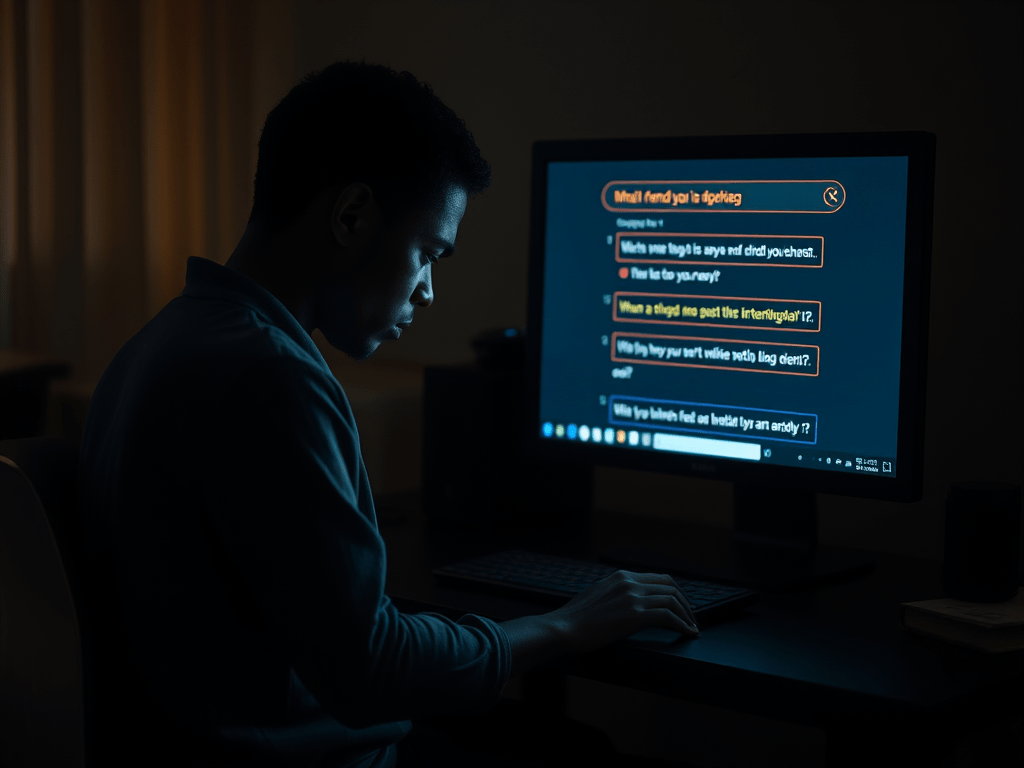

Artificial intelligence has become more accessible than ever, and tools like ChatGPT are increasingly being used to answer questions on everything from cooking to career planning. But one area where this technology is being misused is in mental health.
While AI can offer generalized information about mental health concepts, it is not a substitute for therapy. And relying on it for emotional support or guidance—especially when you’re in crisis or living with complex issues—can do more harm than good.
Here are the key dangers of seeking mental health advice from ChatGPT (or any AI chatbot):

Lack of Human Understanding and Empathy
AI can simulate empathy, but it cannot feel or fully understand what you’re experiencing. Human connection is foundational to mental health treatment. A licensed therapist brings compassion, lived experience, and nonverbal intuition—none of which AI can replicate. When you’re struggling, you don’t just need answers—you need attunement, safety, and presence. A chatbot may use comforting language, but it can’t recognize when you’re dissociating, crying, or traumatized. That gap can leave you feeling more alone than before.
Advice Without Accountability
ChatGPT can offer suggestions, but it doesn’t know you—your history, trauma, identity, or cultural context. It doesn’t know your triggers, values, or what stage of healing you’re in. This means it may offer well-meaning advice that is unhelpful, dismissive, or even dangerous. And if something goes wrong, there’s no accountability. Licensed professionals are trained to assess your emotional state, recognize risk, and respond appropriately. AI is not.
False Sense of Security
It’s easy to assume that because ChatGPT uses professional-sounding language or psychological terminology, it’s giving clinical advice. But that’s not the case. It doesn’t have a degree, ethical guidelines, or real-world experience. It doesn’t follow HIPAA. And it can’t differentiate between someone who is casually curious and someone who is in a mental health crisis. This illusion of professionalism can prevent people from seeking real help—especially if they feel temporarily better after interacting with the chatbot.
No Crisis Support or Safety Planning
ChatGPT is not trained or equipped to respond to suicidal ideation, domestic violence, psychosis, or other emergencies. It won’t call for help. It won’t assess your safety. It may even miss red flags entirely. In moments of crisis, this can be deadly. AI cannot—and should not—replace trained professionals who can help keep you safe.
Reinforcing Avoidance and Isolation
When you turn to a chatbot instead of a therapist, friend, or support group, you may be unintentionally deepening patterns of avoidance and disconnection. Healing requires relational repair and vulnerability with others. AI might feel like a safe, judgment-free zone—but it can reinforce isolation and delay real support.

So, What Is ChatGPT Good For in Mental Health?
It’s okay to use AI to:
- Learn about types of therapy (e.g., CBT, DBT, EMDR)
- Get journal prompts or mindfulness exercises
- Understand general mental health topics
But AI should never be your only source of emotional care.
If You’re Struggling, Please Reach Out to a Real Person
You deserve more than an algorithm. You deserve to be heard, seen, and supported by someone who understands the full context of your pain. If you’re in Michigan, The Social Work Concierge, LLC provides trauma-informed, culturally responsive therapy and clinical supervision.
🖤 Whether you’re navigating burnout, grief, anxiety, or identity trauma—you don’t have to do it alone.
📞 Call/Text: (616) 345-0616
📍 Virtual therapy for clients across Michigan
🌐 http://www.socialworkconcierge.com
✉️ leonica@socialworkconcierge.com
If you’re in crisis:
Please call or text 988 (Suicide & Crisis Lifeline) or go to your nearest emergency room.
 The Social Work Concierge, LLC
Leave a comment