

Borderline Personality Disorder (BPD) is a mental health condition characterized by persistent patterns of instability in mood, self-image, relationships, and behavior. People with BPD often experience intense emotions, difficulty regulating those emotions, and a heightened sensitivity to perceived rejection or abandonment.
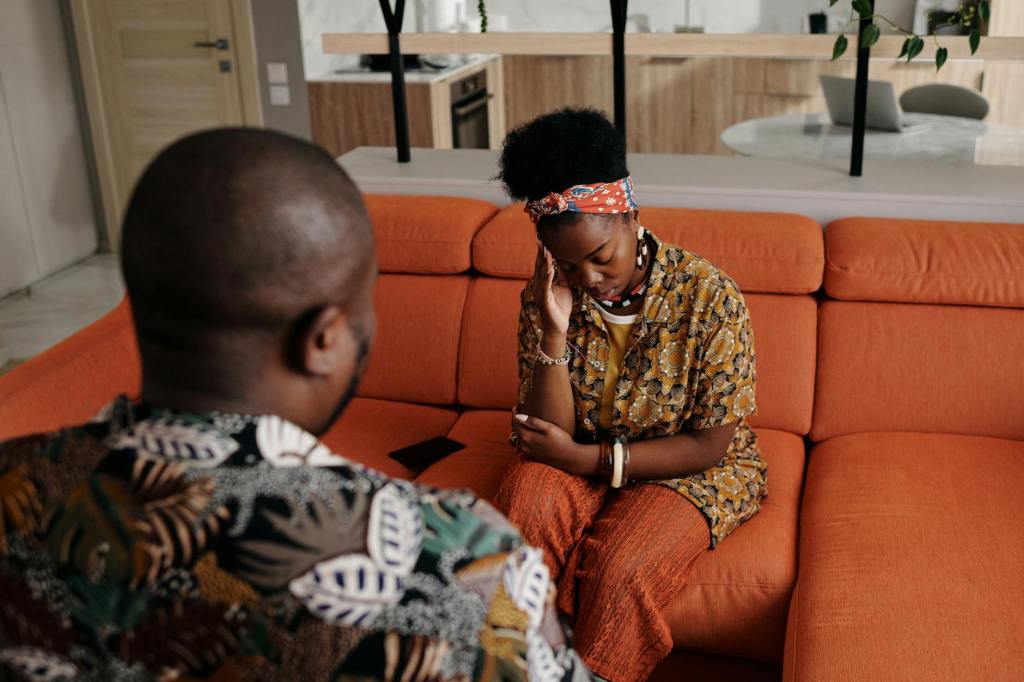
Core symptoms of BPD (per DSM-5-TR) typically include:
- Fear of abandonment (real or perceived) and frantic efforts to avoid it
- Unstable, intense relationships that can swing between idealization and devaluation
- Unstable self-image or sense of identity Impulsive behaviors (spending, substance use, risky sex, binge eating, etc.)
- Emotional instability with rapid mood swings
- Chronic feelings of emptiness Inappropriate or intense anger or difficulty controlling anger
- Transient stress-related paranoia or dissociation
BPD in the Black Community
While the core diagnostic criteria are the same regardless of race, how BPD presents—and how it is recognized or misrecognized—can differ in Black communities due to cultural factors, systemic bias, and historical trauma.
1. Underdiagnosis and Misdiagnosis
Black individuals are less likely to be diagnosed with BPD and more likely to receive diagnoses such as bipolar disorder, schizophrenia, or antisocial personality disorder, especially in clinical settings that lack cultural competence. Emotional dysregulation in Black clients may be misattributed to “anger issues,” “oppositional behavior,” or criminality rather than understood as trauma-linked instability.
2. Cultural Expressions of Emotion
Emotional expression can be shaped by cultural norms—such as using humor, resilience language (“I’m fine”), or indirect communication to mask vulnerability—making internal struggles harder to identify. In some cases, intense emotional reactions may be labeled as “aggressive” or “hostile” in Black clients, especially in white-dominated spaces, even when similar expressions in white clients might be viewed as distress or anxiety.

3. Impact of Racial Trauma and Systemic Oppression
Racial discrimination, microaggressions, and historical oppression can compound BPD symptoms, especially around trust, abandonment fears, and identity instability. The chronic stress of navigating racism may amplify hypervigilance, reactivity, and relationship difficulties. Identity disturbances may be complicated by internalized racism, colorism, and the pressure to code-switch.
4. Community Stigma & Barriers to Care
In some Black communities, mental health struggles—especially personality disorders—carry significant stigma, leading to delayed diagnosis and treatment. Distrust in the healthcare system, cost barriers, and a shortage of culturally responsive providers limit access to specialized BPD treatments like Dialectical Behavior Therapy (DBT).
5. Strengths and Resilience Factors
Strong family and spiritual networks can serve as protective factors, though they may also discourage seeking professional help. Collective cultural coping strategies (faith, music, activism, storytelling) can support emotional regulation, though they may need to be paired with clinical interventions.

Culturally Responsive Treatment Considerations
Cultural humility: Clinicians must avoid stereotyping emotional expression as pathology or minimizing the role of racial trauma. Trauma-informed DBT: Adapt DBT skills training to incorporate cultural narratives, community strengths, and acknowledgment of systemic oppression. Representation: Black clients benefit from providers who reflect their lived experiences or are explicitly trained in racial identity and trauma work. Family involvement: Engaging supportive family or community members can reduce isolation and misunderstanding.
 The Social Work Concierge, LLC
Leave a comment